The Journey of an Egg: From Farm to Table
Eggs are a staple in diets worldwide, prized for their versatility, nutrition, and flavor. However, few people realize the effort and care that goes into producing the eggs they consume. This article takes you through the fascinating journey of an egg, from a hen’s laying process to your breakfast plate.
Step 1: The Hen’s Role
Hens raised as layers are bred for consistent egg production. Under optimal conditions, a healthy hen can lay about one egg per day. Factors like breed, diet, and stress levels play a significant role in egg-laying frequency.
Step 2: Egg Collection
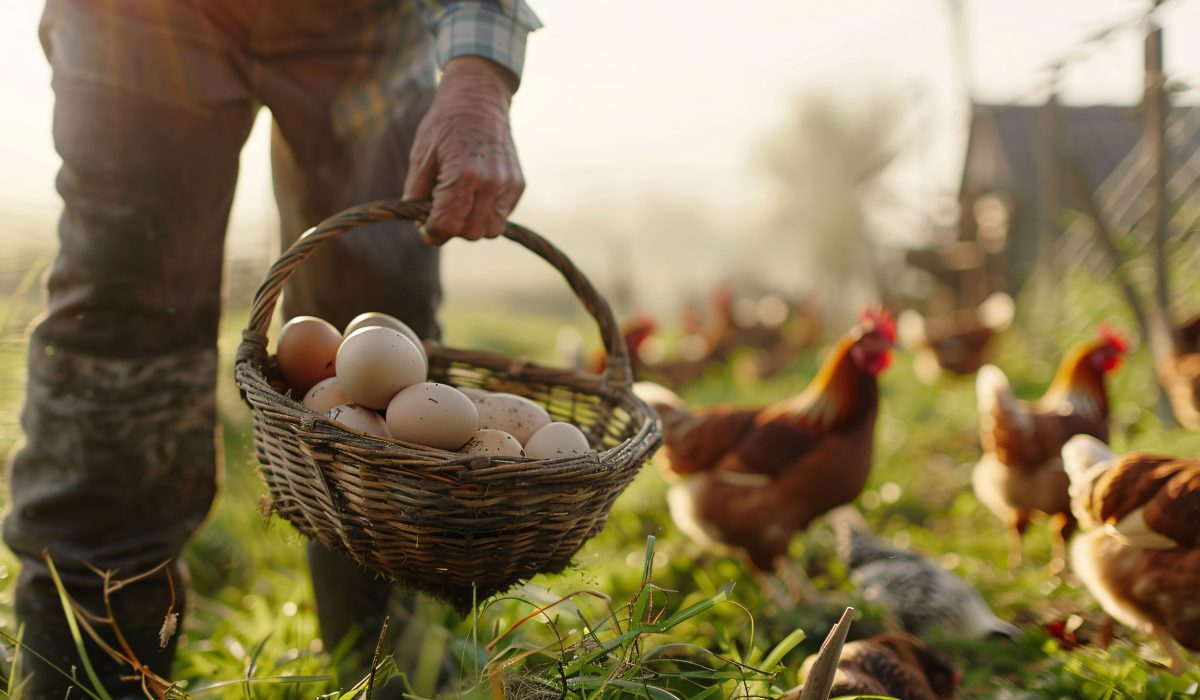
Farmers collect eggs at least twice daily to ensure freshness and prevent contamination. Hand-collection is common on smaller farms, while large-scale farms use conveyor systems to automate the process.
Step 3: Cleaning and Grading
Once collected, eggs undergo a cleaning process to remove dirt or debris. They are then graded based on:
- Size: Eggs are classified as small, medium, large, or extra-large.
- Quality: The shell, yolk, and white are inspected for imperfections.
Step 4: Storage and Transportation
Eggs are stored in cool environments (ideally around 40°F/4°C) to maintain freshness. Proper packaging and careful handling during transportation ensure that eggs arrive intact at markets or homes.
Step 5: From Store to Kitchen
Once purchased, eggs can be used in countless ways, from baking to frying. Their nutritional value, rich in protein and essential vitamins, makes them a dietary favorite.
By understanding the journey of an egg, consumers can appreciate the dedication and care involved in its production, ensuring they make informed choices when buying eggs.